





Spring sale · 20% off with code SPRING20 · Free US Delivery · Duties Included · Trusted by Interior Designers & Architects · Up to 10-Year Warranty on Hardware · Spring sale · 20% off with code SPRING20 · Free US Delivery · Duties Included · Trusted by Interior Designers & Architects · Up to 10-Year Warranty on Hardware · Spring sale · 20% off with code SPRING20 · Free US Delivery · Duties Included · Trusted by Interior Designers & Architects · Up to 10-Year Warranty on Hardware · Spring sale · 20% off with code SPRING20 · Free US Delivery · Duties Included · Trusted by Interior Designers & Architects · Up to 10-Year Warranty on Hardware · Spring sale · 20% off with code SPRING20 · Free US Delivery · Duties Included · Trusted by Interior Designers & Architects · Up to 10-Year Warranty on Hardware · Spring sale · 20% off with code SPRING20 · Free US Delivery · Duties Included · Trusted by Interior Designers & Architects · Up to 10-Year Warranty on Hardware ·
meraki.

Your Basket

Your basket is empty

Browse Hardware →

The Art of Cohesion: How to Tie Together Hardware, Lighting, and Finishes in One Space

In any interior, it’s the small details that quietly hold everything together. A kitchen or living space can be beautifully designed in principle, but if the finishes jar or the lighting feels disconnected, the whole room loses its sense of calm. Cohesion isn’t about making everything match perfectly, it’s about creating harmony, depth and balance.

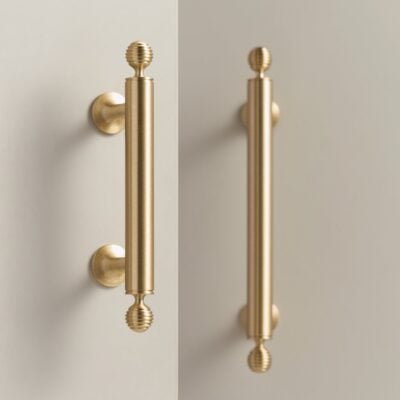
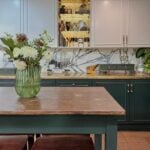
SAINZ Solid Brass Handles - meraki.

Hardware as the anchor

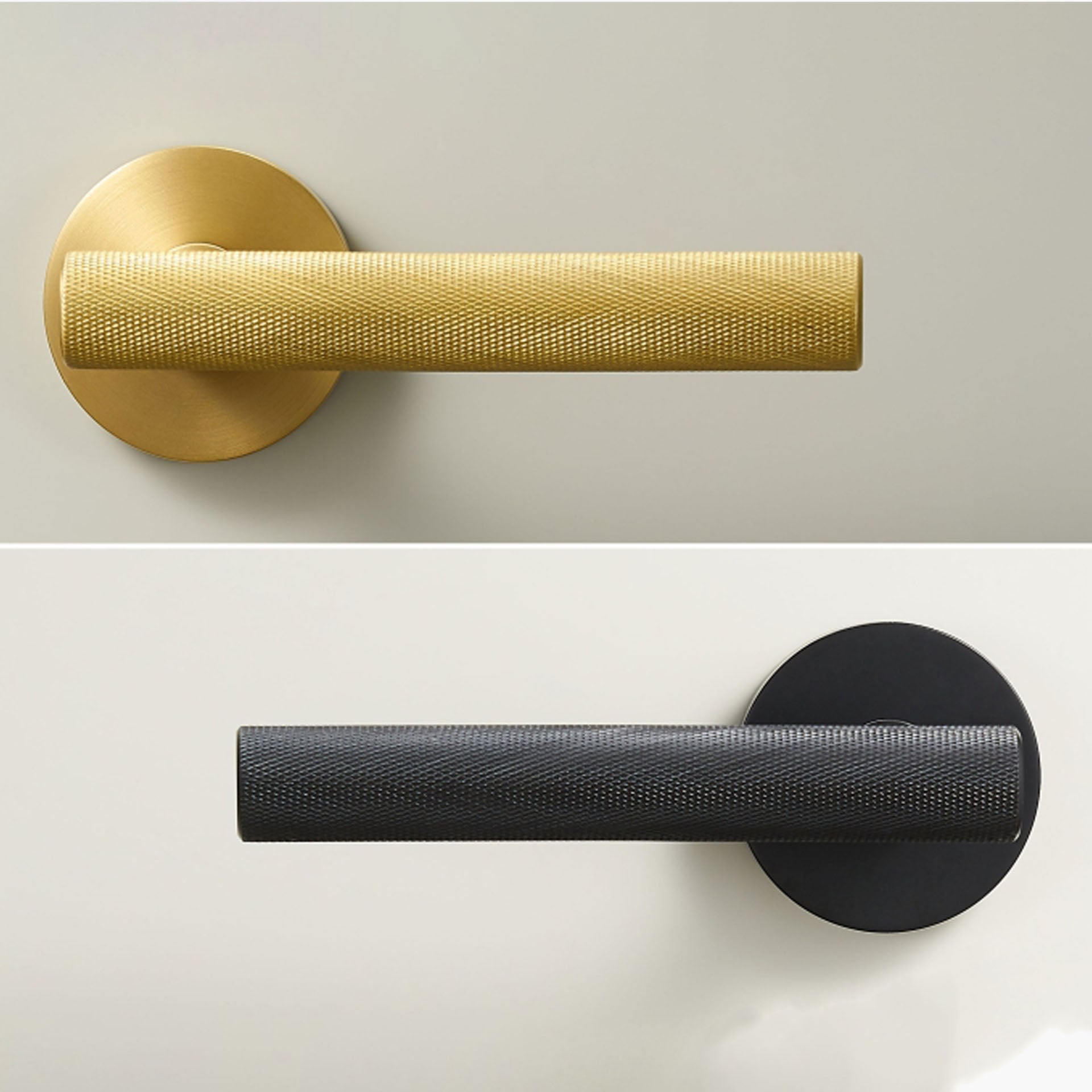
Cabinet handles, door levers and hinges may seem like background details, but they’re often the first things you touch in a room. They set the tone. Choosing well-made, solid brass hardware creates a sense of permanence and quality that carries through the whole space.

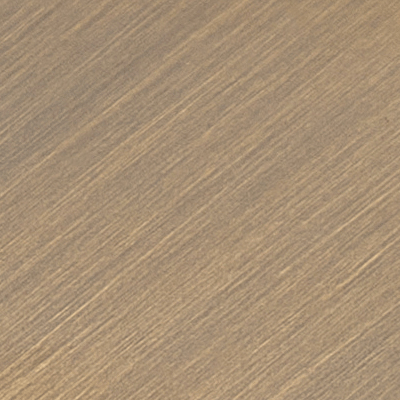
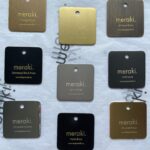
When it comes to finishes, think in families rather than one-to-one matches. A brushed or satin finish will always feel softer and more timeless than a high-shine alternative, while matte blacks and deep bronzes ground a scheme with quiet strength.

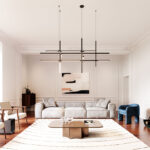
meraki. Renew - STROMA Brass Chandelier - meraki.

Lighting as the accent

Lighting doesn’t just illuminate a room, it frames the mood. Pendant lights above a dining table, or a wall light in a hallway, should feel like a natural extension of the hardware you’ve chosen.

Pairing lighting and hardware in related tones creates a flow: satin brass handles with a brushed brass pendant, or antique brass hardware balanced by a warm-toned wall light. For cooler schemes, satin nickel hardware can be elevated by glass shades or subtle black details. The key is to think of lighting as jewellery for the room, it should enhance, not compete.

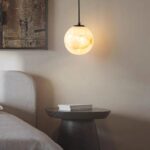
MARMER Solid Marble & Brass Knob - meraki.

Finishes that speak the same language

One of the most common mistakes is trying to match everything exactly. Perfect matches can feel flat, as if the space has been designed by numbers. Instead, aim for a palette of finishes that complement each other.

For example:

  • Satin Brass + Antique Brass → layered warmth with subtle contrast.

  • Matte Black + Satin Nickel → contemporary edge softened with neutrality.

  • Raw Brass + Natural Textures → a living finish that deepens alongside wood, stone, or leather.

By mixing within a considered palette, you avoid the “catalogue look” and instead achieve depth and authenticity.

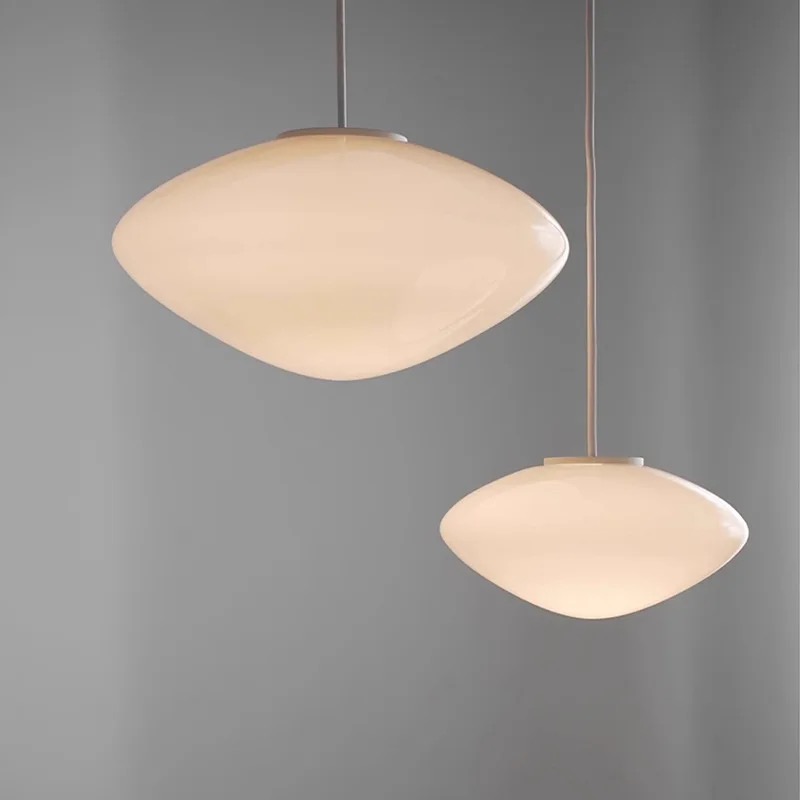
meraki. Renew - FLEUREN Pendant Lights - meraki.

Avoiding common pitfalls

  • Too many finishes at once: three or four metals in one space usually feels chaotic. Stick to one dominant tone, supported by one accent.

  • Compromising on hardware: cheap handles or hinges can undermine even the most carefully chosen lighting and finishes. Quality always reveals itself in the details.

  • Forgetting functionality: beauty matters, but so does comfort. Ensure handles are ergonomic and lighting is placed for purpose as well as atmosphere.

A final word

When hardware, lighting and finishes work together, a room feels calm, complete, and quietly elevated. Cohesion doesn’t mean uniformity, it means every choice feels like part of the same story.

At meraki., we design and source hardware and lighting with this philosophy in mind: versatile pieces that complement one another, and interiors that look and feel resolved from every angle.
Slow Decorating: Embracing Intentional and Sustainable Interior Design in 2025

In 2025, a significant shift is occurring in the world of interior design. Homeowners and designers alike are moving away from the fast-paced trends of the past, embracing a more thoughtful and sustainable approach known as “slow decorating.” This philosophy prioritises intentionality, quality, and personal expression, encouraging individuals to curate their living spaces over time with meaningful pieces that reflect their unique tastes and values.

What Is Slow Decorating?

Slow decorating is a design philosophy that emphasises patience, mindfulness, and sustainability. Rather than rushing to furnish a home with cheap, mass-produced items, this approach advocates for gradually acquiring pieces that hold personal significance and hardware made from high-quality materials that are built to last. It’s about creating a space that evolves with you, reflecting your experiences and preferences.

This movement is a response to the “fast furniture” culture, which often leads to disposable decor and a lack of personal connection to one’s living environment. By contrast, slow decorating encourages a deeper relationship with your home, fostering spaces that are both functional and emotionally resonant.

The Benefits of Slow Decorating

  • Personalised Spaces:
      Slow decorating allows for the creation of interiors that truly reflect the individual’s personality and lifestyle. By taking the time to select items that resonate personally, homeowners can avoid the cookie-cutter aesthetic often associated with rapid decorating trends.
  • Sustainability:
      This approach promotes environmental responsibility by encouraging the use of sustainable, long-lasting materials, vintage finds, and locally sourced items. By reducing reliance on cheap mass-produced goods, slow decorating contributes to a decrease in waste and a lower carbon footprint.
  • Financial Practicality:
      Investing in high-quality pieces over time can be more cost-effective in the long run. Instead of spending on temporary solutions, homeowners can allocate resources toward items that offer durability and timeless appeal.
  • Reduced Stress:
      Eliminating the pressure to complete a space immediately can lead to a more enjoyable decorating experience. This gradual process allows for thoughtful decision-making and reduces the likelihood of impulsive purchases that may not align with the overall vision.

Implementing Slow Decorating in Your Home

  • Start with the Essentials:
      Focus on acquiring foundational pieces that serve both functional and aesthetic purposes. Items like a comfortable sofa, a sturdy dining table, or a quality bed frame can set the tone for the rest of the space.
  • Embrace Vintage and Second-Hand Finds:
      Incorporating vintage or pre-loved items adds character and history to your home. These pieces often come with unique stories and craftsmanship that new items may lack.
  • Support Local Artisans:
      Purchasing from local makers not only supports the community but also ensures that your home features unique, handcrafted items. This practice aligns with the slow decorating ethos of valuing quality and individuality.
  • Be Mindful of Materials:
      Opt for materials that are sustainable and durable. Natural fibres, reclaimed wood, solid brass and non-toxic finishes contribute to a healthier home environment and align with eco-friendly principles.
  • Allow Your Space to Evolve:
      Recognise that your home is a reflection of your journey. As your tastes and needs change, allow your space to adapt accordingly. This fluidity ensures that your home remains a true representation of who you are.

The Broader Impact

Adopting slow decorating practices extends beyond personal benefit; it contributes to a larger cultural shift towards sustainability and intentional living. By choosing to decorate thoughtfully, individuals can challenge the norms of consumerism and promote a more conscious approach to consumption.

Sources:

CIRCA Handles Featured in Bland Design’s Stunning Kitchen Transformation

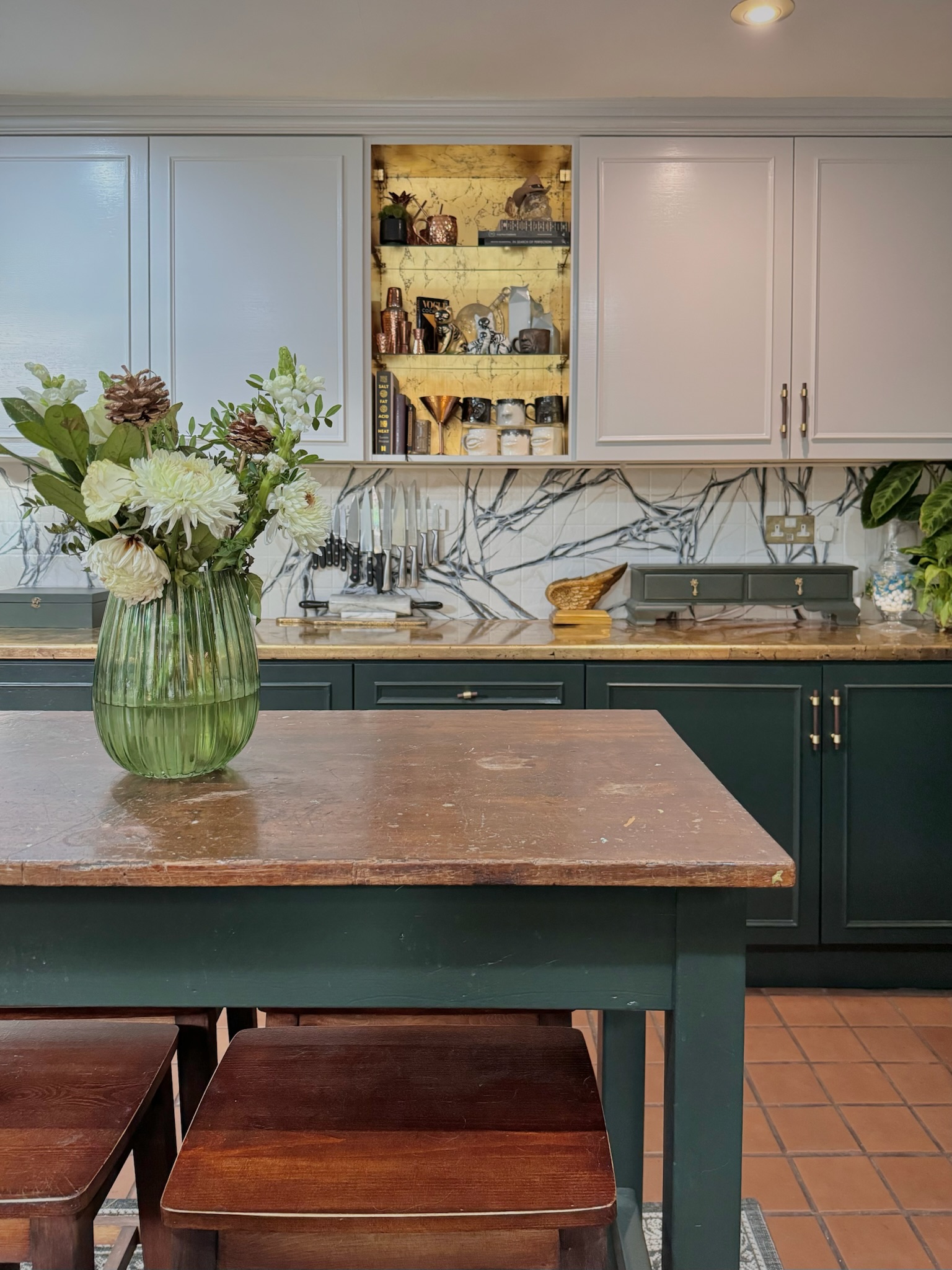
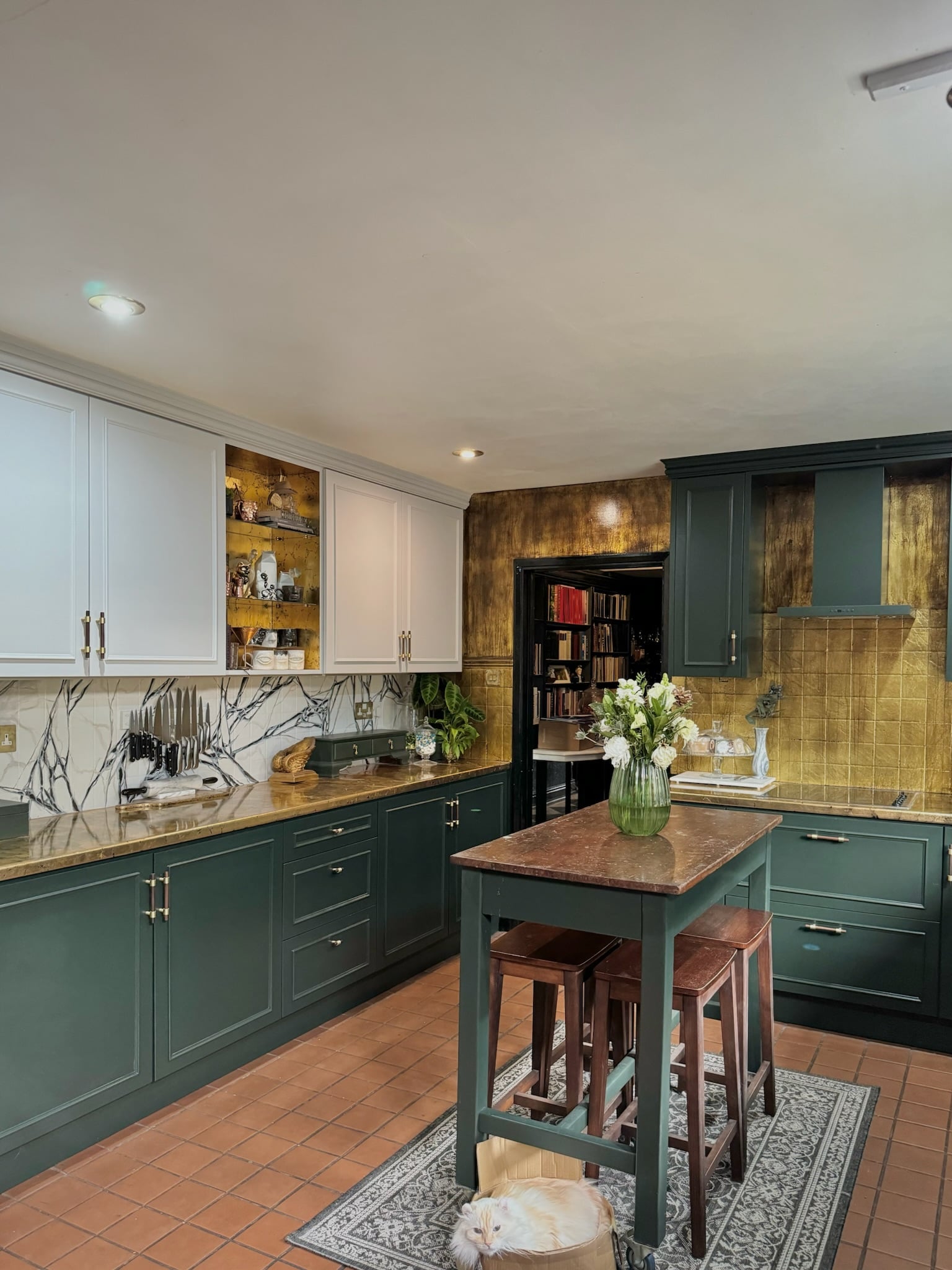
We were proud to collaborate with Bland Design on a stunning kitchen and diner transformation — a project that perfectly balances creative use of paint, clever decor, and our CIRCA solid brass handles.

Bland Design kitchen transformation with CIRCA handles

A Bold Use of Colour and Hardware

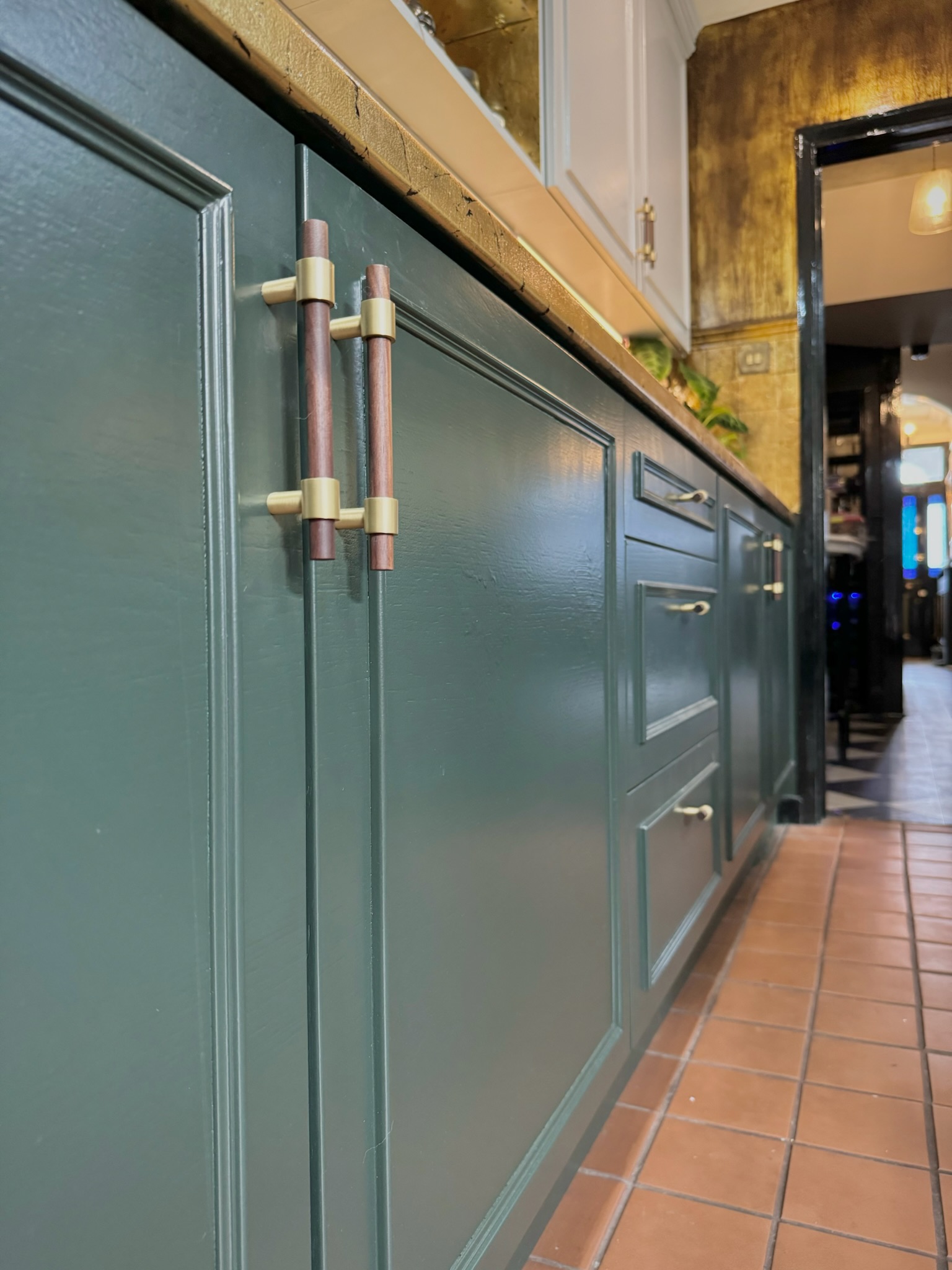
Bland Design took a dated kitchen and injected new life using deep, moody paint tones paired with warm brass accents. Our CIRCA handles, known for their soft curved edges and solid brass weight, brought warmth, texture, and a timeless finishing touch to the updated cabinetry.

Close-up of CIRCA handles on blue cabinetry

Why CIRCA Was the Perfect Fit

  • Solid brass construction for durability and longevity
  • Elegant radius shape that complements both classic and modern aesthetics
  • Available in multiple finishes to match diverse project palettes

The combination of CIRCA handles, thoughtfully selected colours, and textured surfaces resulted in a space that feels fresh yet timeless — the kind of transformation that doesn’t just follow trends but sets them.

Kitchen transformation featuring CIRCA brass handles

Get the Look

If you’re inspired by this makeover, explore our full CIRCA Collection — designed to bring refined brass detailing to kitchens, wardrobes, and interior doors.

Shop CIRCA Handles

And don’t miss the full feature with all the before-and-after shots over on Bland Design’s blog.

At meraki., we believe the smallest details make the biggest impact — and CIRCA is proof that good design lives in the finishing touches.

The Rise of Sustainable Interiors: Eco-Friendly Materials for a Greener Home

In recent years, sustainable interior design has transitioned from a niche interest to a mainstream movement, reflecting a global commitment to environmental responsibility. In 2025, this trend continues to evolve, with eco-friendly materials and practices taking centre stage in home and commercial spaces alike.

The Importance of Sustainable Interior Design

Sustainability in interior design involves creating spaces that are not only aesthetically pleasing but also environmentally responsible. This approach minimises negative impacts on the environment and promotes the health and well-being of occupants. By selecting sustainable materials and implementing eco-friendly practices, designers and homeowners can contribute to a more sustainable future.

Eco-Friendly Materials Gaining Traction

Reclaimed and Recycled Materials


Utilising reclaimed wood, recycled metal, and repurposed glass reduces the demand for new resources and gives old materials a second life. These materials add unique character to interiors and often come with a rich history. The Spruce

Natural Fibres and Fabrics


Incorporating textiles made from organic cotton, hemp, or bamboo ensures that fabrics are biodegradable and free from harmful chemicals. These materials are not only sustainable but also offer comfort and durability. AND Academy

Low-VOC Paints and Finishes


Volatile Organic Compounds (VOCs) found in traditional paints can harm indoor air quality. Opting for low-VOC or VOC-free paints reduces the emission of toxic chemicals, creating a healthier living environment. Biofilico

Rapidly Renewable Resources


Materials like bamboo and cork, which regenerate quickly, are excellent choices for flooring and furniture. Their rapid growth reduces the strain on ecosystems compared to slower-growing hardwoods. Rural Handmade

Energy-Efficient Lighting

LED lighting consumes less energy and has a longer lifespan than traditional bulbs, making it a sustainable choice that also reduces electricity bills.

Conclusion

Embracing sustainable interior design is not merely a trend but a necessary shift towards environmental stewardship. By integrating eco-friendly materials and practices, we can create spaces that are both beautiful and beneficial to the planet, ensuring a healthier future for all.

Sources:

Embracing Japandi: A Guide to Effortless Minimalism in Your Home

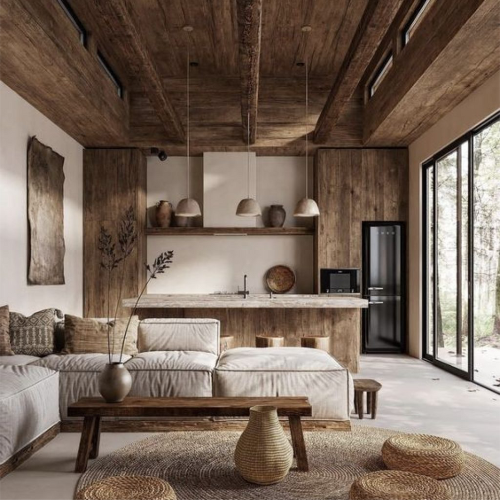
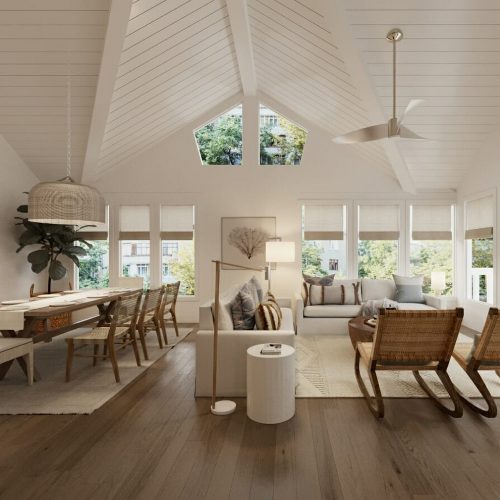
Japandi is more than just a design trend—it’s a lifestyle. This fusion of Japanese and Scandinavian aesthetics combines the warmth and functionality of Nordic interiors with the simplicity and organic beauty of Japanese design. The result? A balanced, clutter-free space that promotes serenity, practicality, and timeless elegance.

Key Elements of Japandi Design

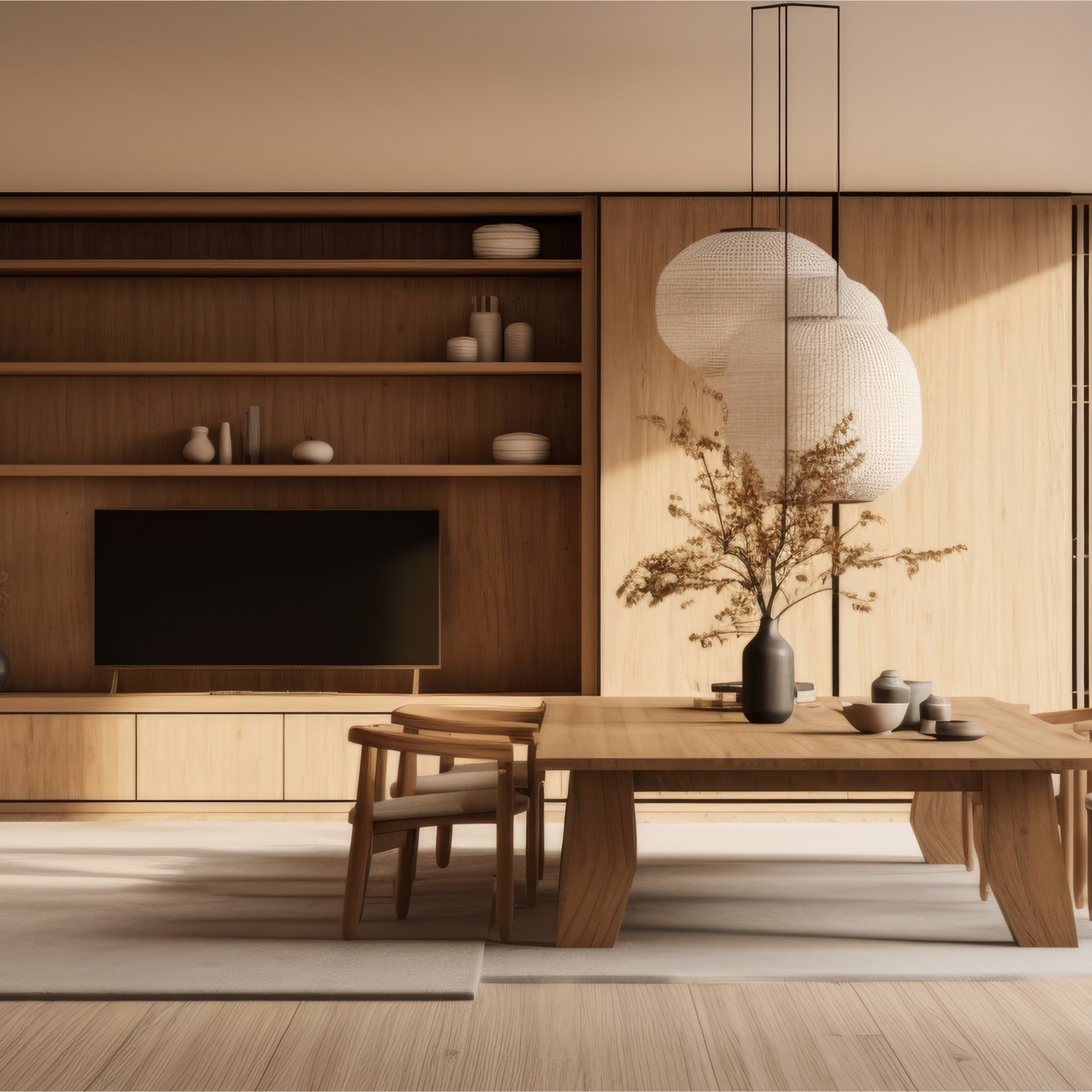
1. Natural Materials & Textures

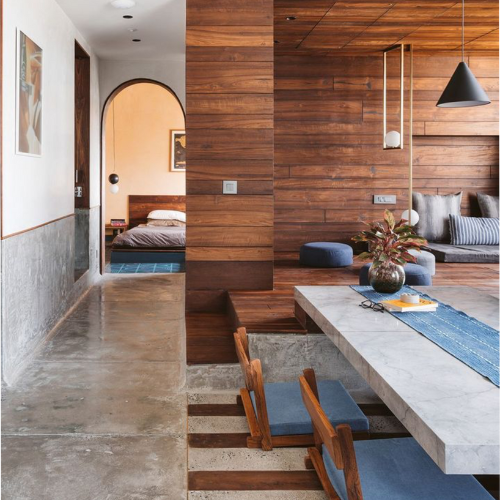
Opt for wood, stone, bamboo, and linen to bring a tactile, organic feel to your space. Light Scandinavian woods like oak and birch contrast beautifully with darker, rich Japanese woods such as walnut and teak.

2. Muted, Earthy Color Palettes

Stick to neutral and nature-inspired hues such as beige, sand, taupe, and soft grays. Accents in deep blues, forest greens, or terracotta add depth while maintaining harmony.

3. Functional Minimalism

Japandi thrives on purposeful design. Choose high-quality, multi-functional furniture with clean lines and subtle detailing. Open spaces, uncluttered surfaces, and built-in storage solutions are essential.

4. Handcrafted & Imperfect Beauty

Incorporate Wabi-Sabi principles by celebrating imperfection—handmade ceramics, raw-edged wooden furniture, and artisanal textiles enhance the authenticity of your space.

5. Bringing Nature Indoors

Plants, particularly bonsai, bamboo, or dried floral arrangements, introduce an organic element that complements the natural materials in your space. Large windows or sheer curtains allow ample natural light to enhance the tranquil atmosphere.

How to Introduce Japandi into Your Home

  • Declutter First – Japandi design starts with an uncluttered foundation. Reduce excess decor and keep only items that serve a purpose or bring you joy.
  • Invest in Quality Over Quantity – Fewer, well-crafted pieces elevate your space while maintaining a sense of openness.
  • Balance Light and Dark Elements – Contrast light Nordic furniture with darker Japanese-inspired accents to create a harmonious blend.
  • Soft Textiles for Warmth – Layer natural fiber rugs, linen drapes, and cozy wool throws to soften minimalistic spaces.
  • Embrace Simplicity – A Japandi space should feel intentional and calming, without unnecessary distractions.

By embracing Japandi design, you’re not just redecorating—you’re cultivating a home that embodies balance, simplicity, and mindful living.

The Psychology of Colour in Interior Design: Choosing Shades That Suit Your Space

Colour is one of the most powerful tools in interior design. It influences mood, energy levels, and even the perception of space. Whether you’re looking to create a relaxing retreat or an energising environment, understanding colour psychology can help you make informed choices that enhance both aesthetics and well-being.

Warm vs. Cool Colours: Setting the Right Tone

Before diving into specific colours, it’s important to understand the difference between warm and cool tones:

  • Warm Colours (reds, oranges, yellows) evoke energy, warmth, and social interaction.
  • Cool Colours (blues, greens, purples) create a calming, soothing effect that promotes relaxation.

Balancing warm and cool tones can help tailor a space to its intended purpose and mood.

Choosing the Right Colours for Each Room

1. Blue – The Ultimate Calming Shade

Blue is widely associated with tranquillity and focus, making it a perfect choice for bedrooms, bathrooms, and home offices. Lighter blues encourage relaxation, while navy and deep blues add elegance and depth. Consider pairing blue with crisp whites for a fresh, timeless look.

2. Green – Nature’s Neutral Green is linked to balance, renewal, and serenity. Earthy tones like sage and olive work well in bedrooms and living spaces, while vibrant greens add a fresh, modern touch to kitchens and bathrooms. Green pairs beautifully with natural materials like wood and stone, reinforcing a natural design approach.

3. Yellow – Bright and Uplifting

Yellow stimulates positivity and creativity, making it an excellent choice for kitchens and dining areas. Soft yellows add warmth without overwhelming a space, while mustard orochre shades bring a sophisticated, vintage feel. Pair yellow with neutrals or deep blue for a balanced palette.

4. Red – Bold and Energetic

Red is the colour of passion and excitement, often used in dining rooms and entertainment spaces to stimulate conversation and appetite. While too much red can feel overwhelming, it works well as an accent colour in accessories, rugs, or statement walls.

5. Neutrals – The Timeless Foundation

Neutrals such as beige, taupe, and greige provide a classic backdrop that allows other design elements to shine. Perfect for open-plan living spaces, neutrals create versatility and can be easily updated with seasonal décor changes.

6. Purple – Creativity and Luxury

Purple, particularly deep shades like plum or eggplant, adds a luxurious and dramatic touch to interiors. Lighter variations, such as lavender, offer a soft, calming atmosphere ideal for bedrooms and reading nooks.

7. Pink – Soft, Modern, and Playful

Once reserved for nurseries, pink has found its place in sophisticated interiors. Blush pink works beautifully in living rooms, while richer pinks, such as coral or dusty rose, create a chic and inviting feel.

8. Grey – Modern and Versatile

Grey remains a staple in contemporary design, offering sophistication and neutrality. Light greys brighten up small spaces, while charcoal greys add a moody, dramatic effect. Pair grey with metallics or natural wood for a modern, stylish aesthetic.

9. Orange – Energising and Fun

Orange is a high-energy colour, making it great for workout rooms or creative spaces. Earthier terracotta tones, on the other hand, bring warmth and depth to interiors, working especially well in Mediterranean or bohemian-inspired homes.

10. Black – Bold and Elegant

Black may seem daring, but when used strategically, it can create a sophisticated and high-impact look. Whether through accent walls, furniture, or décor, black adds depth and contrast, making other colours pop.

Practical Tips for Using Colour in Your Home

  • Start Small: If you’re hesitant about bold colours, introduce them through accessories like cushions, rugs, or artwork.
  • Consider Lighting: Colours can look different depending on natural and artificial lighting, so test samples in various conditions before committing.
  • Use Colour Psychology to Your Advantage: Tailor your colour choices to match the function of each room—calm hues for restful spaces, energising tones for social areas.
  • Create Flow: Maintain a cohesive colour palette throughout your home to create a harmonious and well-balanced environment.

Conclusion

The psychology of colour is a powerful tool in interior design, helping you craft spaces that not only look beautiful but also enhance your mood and well-being. By understanding the emotional effects of different hues, you can create a home that feels as good as it looks.

Whether you prefer the tranquillity of blue, the warmth of earth tones, or the drama of deep shades, there’s a colour scheme that will perfectly suit your style and needs. Ready to refresh your home? Start experimenting with these colours and transform your space today!

Sources:

1. The Spruce: “5 Bedroom Paint Color Trends You’ll See Everywhere in 2025, According to Designers” https://www.thespruce.com/2025-bedroom-paint-color-trends-8774742 2. Better Homes & Gardens: “Channel the Quiet Luxury Home Aesthetic with These Proven Paint Colors” https://www.bhg.com/quiet-luxury-paint-colors-8663593 3. Real Simple: “Designers Predict the 9 Bedroom Colors That Will Dominate in 2025” https://www.realsimple.com/top-bedroom-paint-colors-2025-8777499 4. Stoneside: “Understanding the Psychology of Color in Spaces” https://www.stoneside.com/resources/articles/interior-design-understanding-the- psychology-of-color-in-spaces 5. Nativa Interiors: “How to Use Color Psychology in Interior Design” https://nativainteriors.com/blog/how-to-use-color-psychology-in-interior-design/ 6. Swatchbox: “The Psychology of Color in Interior Design” https://www.swatchbox.com/blog/The-Psychology-of-Color-in-Interior-Design 7. Foyr: “The Psychology of Colors in Interior Design” https://foyr.com/learn/psychology-of-colors-in-interior-design 8. The Interior Design Institute: “The Power of Color in Design: Psychology & Inspiring Ideas” https://www.theinteriordesigninstitute.com/us/en/blog-power-of-color-psychology-in-design 9. Wikipedia: “Interior Design Psychology” https://en.wikipedia.org/wiki/Interior_design_psychology

Top 5 Interior Design Trends for 2025: Sustainable & Stylish Ideas

Renovating your home or simply looking for some fresh inspiration? Interior design trends for 2025 are all about combining sustainability, luxury, and a personal touch. Here’s a closer look at the top trends set to define interiors this year, based on insights from leading publications.

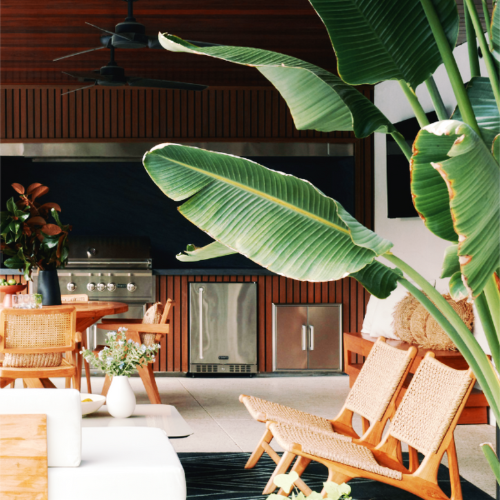
1. Earth Tones: Warm and Grounding Colours


Image Source: Architectural Digest

Rich, natural hues are taking centre stage in 2025, with Pantone’s Colour of the Year, Mocha Mousse, leading the way. These earthy tones, including warm browns, deep greens, and muted terracottas, evoke a sense of calm and grounding, making spaces feel more connected to nature. Incorporating these colours through wall paints, furnishings, and accessories can create a cosy and inviting atmosphere. For those looking to make a bold statement, consider using Mocha Mousse as a feature wall or pairing it with complementary shades like soft beige or forest green. Natural materials such as wood, stone, and clay can further enhance this trend, bringing an organic feel to your interiors.

2. Curved Furniture: Soft Edges for Comfort and Style


Image Source: Architectural Digest

Soft, rounded edges not only add a unique aesthetic but also enhance comfort and flow within a space. From crescent-shaped sofas to circular coffee tables, these designs break away from the rigidity of straight lines and bring a sense of softness and approachability to interiors. Curved furniture is especially effective in creating a welcoming and relaxing environment. It works well in both large, open spaces and smaller, cosy rooms, offering versatility and style. Consider incorporating curved furniture in areas like the living room or bedroom to soften the overall look and create a harmonious balance.

3. Art Deco Revival: Glamour and Sophistication


Image Source: House Beautiful

The glamour and sophistication of the Art Deco era are making a stylish comeback. Expect to see geometric patterns, bold colours, and luxurious materials such as brass, marble, and velvet. This revival brings a touch of opulence to modern interiors, blending vintage charm with contemporary elegance. Incorporate Art Deco elements through statement lighting, patterned wallpapers, or striking furniture pieces. To fully embrace this trend, consider adding decorative accents like mirrored surfaces, gold finishes, and intricate inlays. These elements can be integrated into various parts of the home, from bathrooms to dining areas, creating a cohesive and elegant aesthetic that stands out.

4. Rich Textures and Fabrics: Velvet Takes Centre Stage


Image Source: Vogue

Texture is key in 2025, with velvet taking centre stage as the fabric of choice. While boucle enjoyed popularity in recent years, velvet’s soft, plush feel adds a layer of luxury and comfort to any room. Use it in sofas, cushions, or even curtains to create a tactile, inviting environment. This trend emphasises the importance of sensory experiences in design. For a more dynamic look, mix velvet with other materials like leather or linen. This combination not only adds visual interest but also enhances the tactile experience. Whether in bold jewel tones or neutral shades, velvet can transform a space, making it feel both luxurious and comfortable.

5. Sustainable and Chemical-Free Furniture: Eco-Friendly Choices


Image Source: Architectural Digest

Eco-conscious design continues to rise, with sustainability becoming a non-negotiable aspect of interior design. Brands like MillerKnoll are leading the way by creating furniture that is not only stylish but also sustainable and free from harmful chemicals. Choosing pieces made from recycled or responsibly sourced materials helps reduce environmental impact and promotes healthier living spaces.

Sustainable furniture doesn’t mean compromising on style. Many designers are now offering beautiful, high-quality pieces that are both environmentally friendly and aesthetically pleasing. Look for certifications like FSC (Forest Stewardship Council) or Cradle to Cradle to ensure your furniture choices support sustainable practices.

Conclusion

The interior design trends for 2025 are a beautiful blend of sustainability, luxury, and personalisation. Whether you’re drawn to the calming earth tones or the opulence of Art Deco, there’s something to inspire every homeowner. Embrace these trends to create a space that is not only stylish but also reflective of your values and lifestyle.

Ready to bring these trends into your home? Explore our collection of curated pieces and start your design journey today!

Free worldwide deliveryDuties & taxes included
10-year warranty*On solid brass hardware
Made to orderHandcrafted in small batches
4.6 from 1,800+ reviewsVerified customer feedback

As featured in

Financial Times House & Garden Livingetc House Beautiful Grazia Grand Designs
Visa Mastercard Amex Paypal Applepay Googlepay