











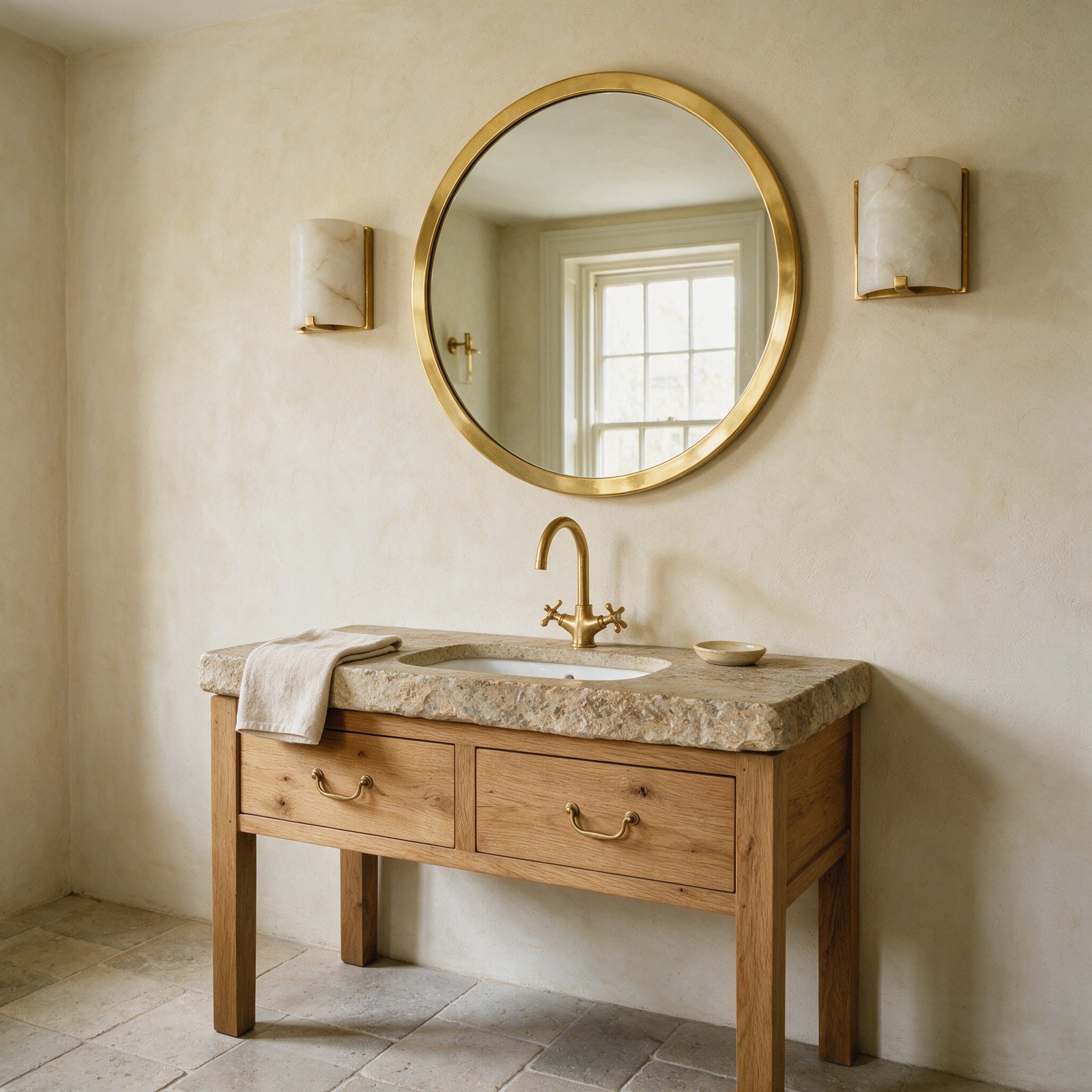
The worry, stated plainly
The worry usually arrives on a Sunday, in a half-tiled room, with a sample in your palm. The tiles are chosen, the basin is on order, and a small brass knob is catching the light from the window. It looks right. Then someone says the word steam and the picture curdles. Water spots. Green streaks. A knob that looks tired inside a year.
Some of that fear is earned by cheap hardware, a thin skin of brass over a softer metal that lifts and pits once the skin fails. Solid brass is the other way round: brass all the way through, an alloy of copper and zinc, with a finish laid on top of it. What damp air does to that is a surface matter, not a structural one. The piece does not weaken. What changes, if anything changes at all, is the skin.
Two kinds of brass, two different answers
There are two families of finish, and the finish and care guide draws the line between them.
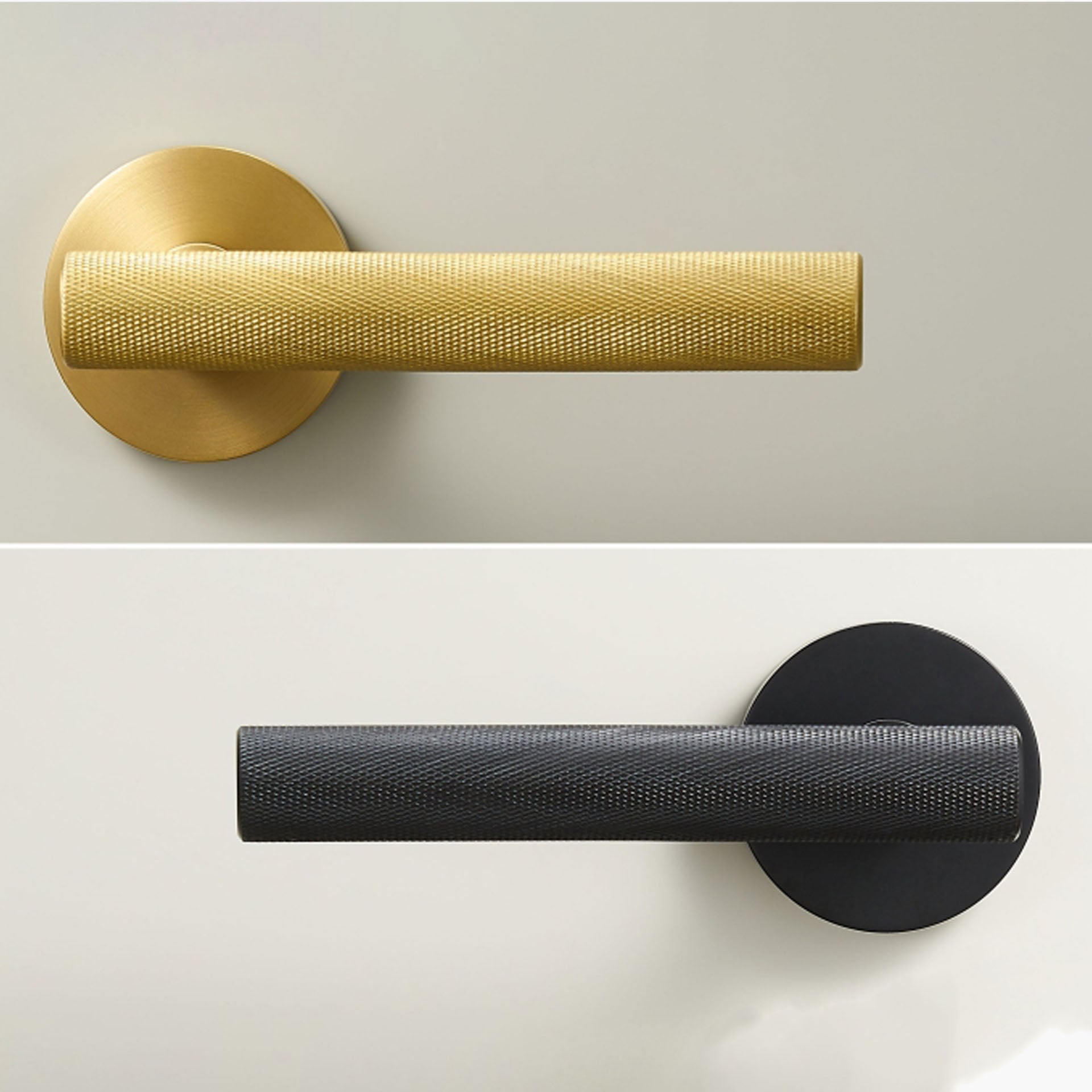
Sealed finishes, which cover most of the range, are electroplated or PVD, and they stay as delivered. Satin Brass in a bathroom this June looks like Satin Brass three Junes from now. Antique Brass arrives already darkened and stays there. Polished Brass and Polished Chrome are PVD, the hardest and most scratch-resistant finishes we offer. Water spots are dried minerals sitting on a coating; a soft dry cloth lifts them, and mild soap and water is as far as cleaning ever needs to go. No abrasives, no bleach, no ammonia, nothing acidic, which rules out most of what is sold for limescale.
The one habit worth building is drying hardware after standing water. Not after every use, but a knob under a dripping shelf, or a pull in the splash zone below a basin, benefits from a wipe with the towel already in your hand.
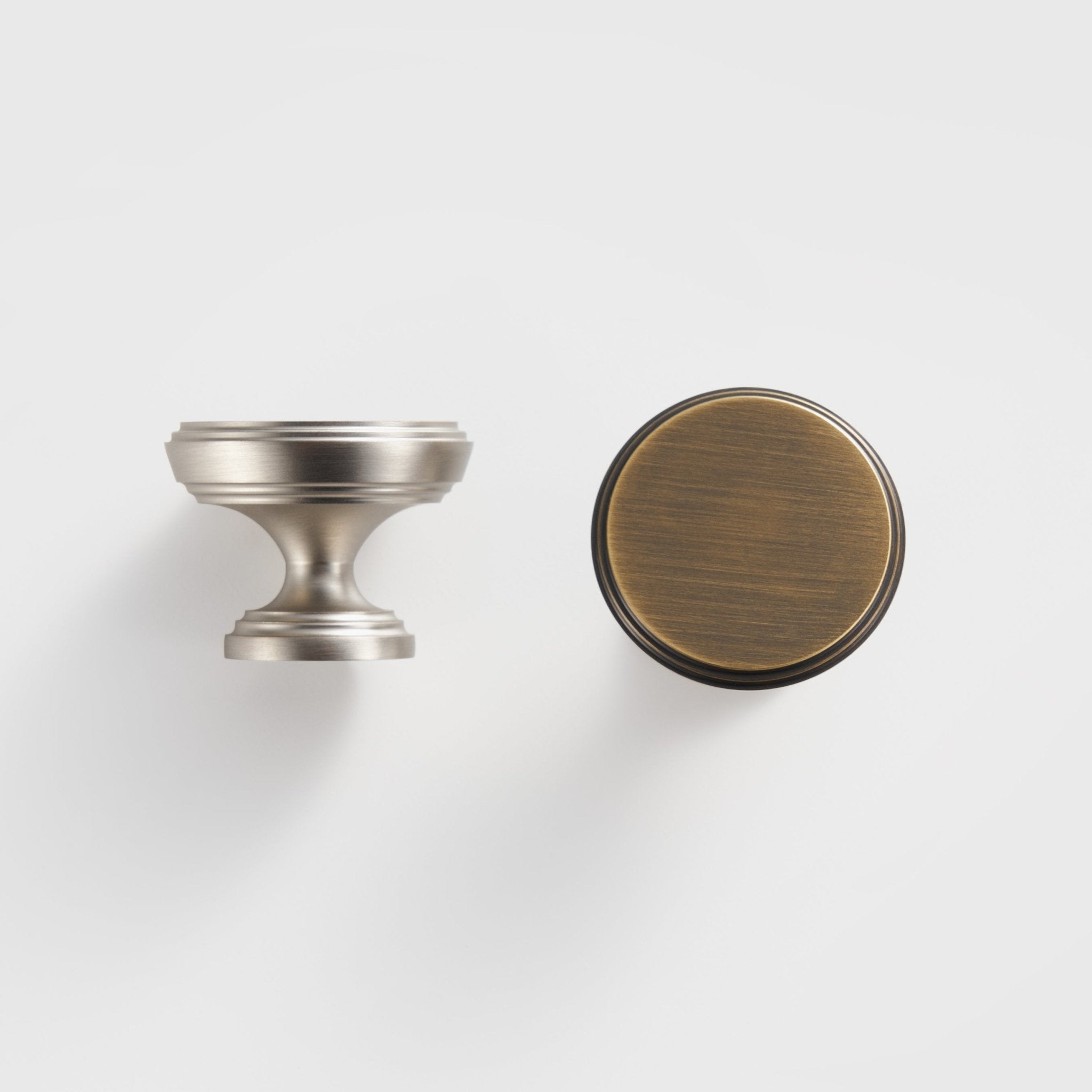
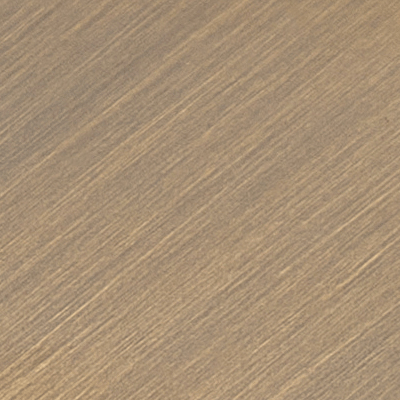
The living finish is another matter, and here the bathroom becomes interesting rather than a problem. Unlacquered brass has no coating at all. It arrives bright and begins to respond to the air and to your hands the day it is fitted, softening first where fingers land and darkening over the months to a warm brown; the finish and care guide has the full timeline. Indoors it does not go green. That colour belongs to brass left out in weather, not to a knob on a vanity.
What matters here is pace. A bathroom holds the wettest air in the house, so unlacquered brass patinates faster there than it does on a bedroom door: the knob you fitted in spring is already a different colour by autumn, while the same knob on the landing has barely begun. For some that is the argument against it; for others it is the argument for it: if a finish is going to record time, let it do so in the room that changes most. One stays put and one moves, and if you change your mind about the one that moves, brass polish resets it to bright and the clock starts again.
Doors and drawers in one key
Taps are usually chosen first, and from someone else’s catalogue. Whatever the tap turned out to be, brushed metals forgive small differences in tone the way polished ones do not, so Satin Brass beside a brushed tap reads as one language, and Satin Nickel sits comfortably against chrome. Better to think of the door lever, the vanity pulls and the tap as three voices in one key rather than three copies of one note.
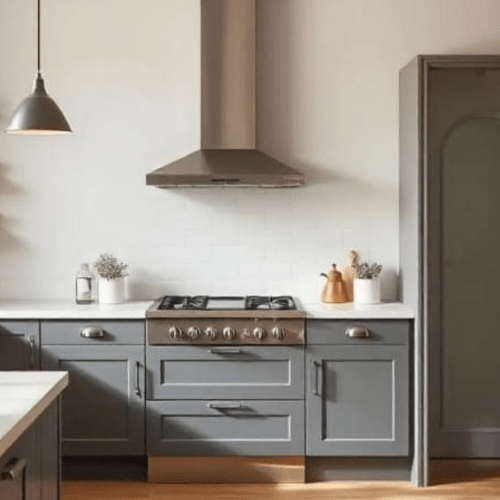
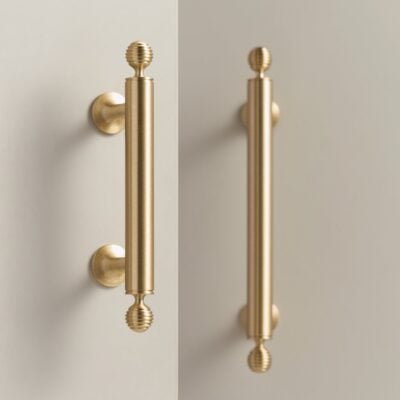
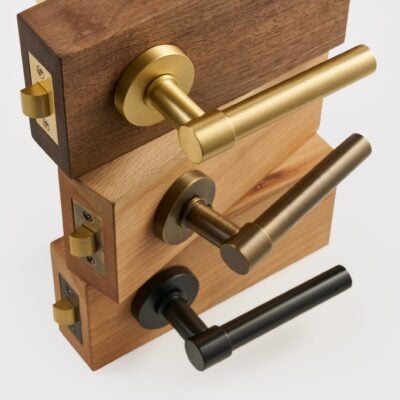
The real subject is the hardware, because it is the part you choose twice: once for the vanity, once for the door. The core finishes run across cabinet and door hardware, so a bathroom can carry one finish from the threshold to the vanity without a hunt for a near-enough match. Our bathroom collection gathers the pieces that tend to end up in that room together.

The small lock on the inside
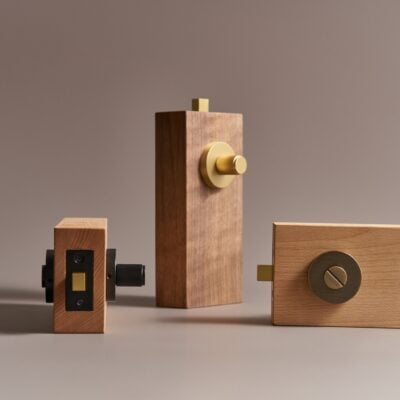
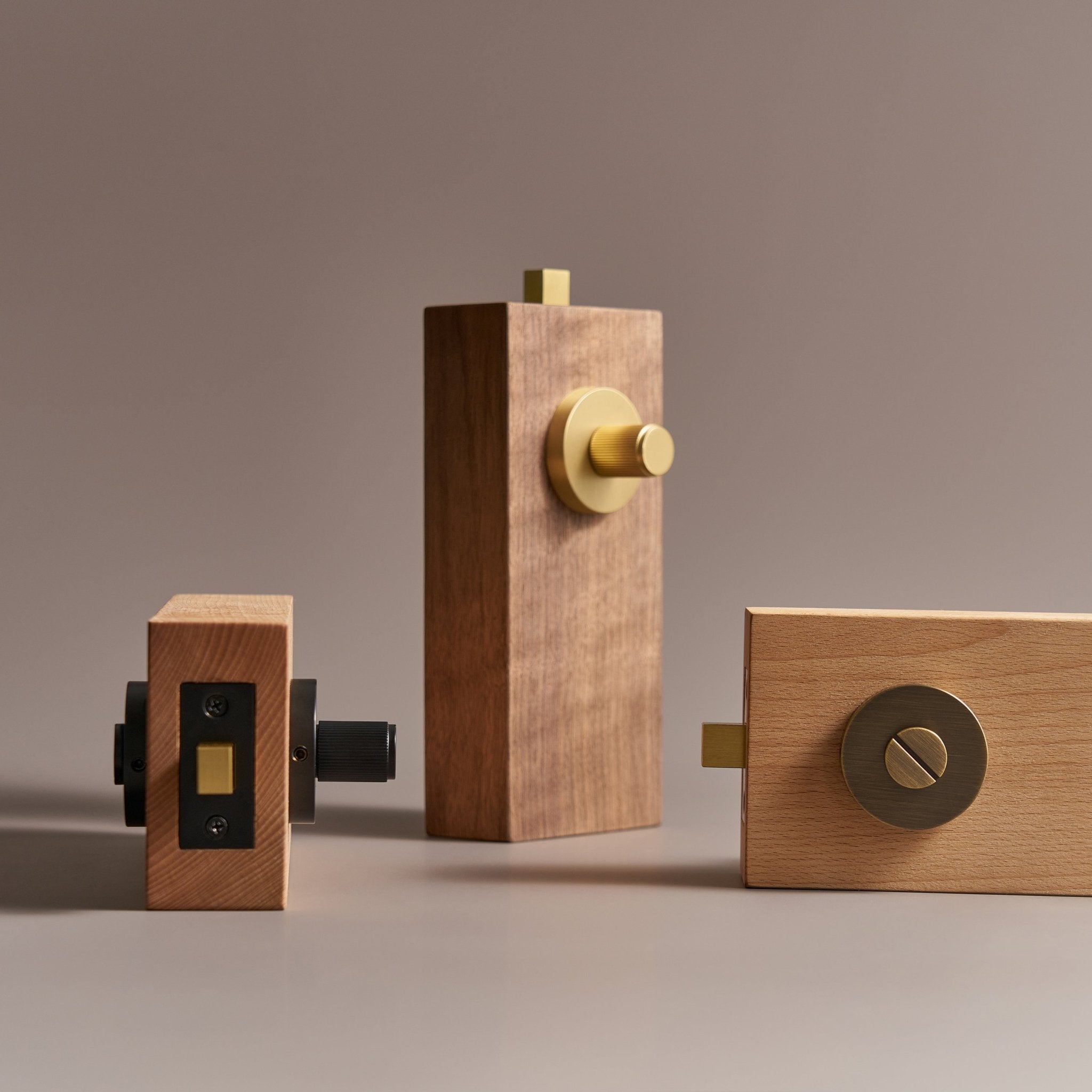
Then there is the door itself. A bathroom door wants a privacy set: a pair of levers, roses, fixings and the latch, locked from the inside with a turn or a button rather than a key. It is the most modest piece of hardware in the room and the one that governs its sense of enclosure. A snib that turns cleanly under a wet thumb is one of the small satisfactions of a house; one that grinds, you will notice every day. How a privacy set differs from a passage or key set is laid out in the door handle configurations guide, and the bathroom door hardware collection keeps levers and snibs in one place.
What it looks like at seven in the morning
Picture the room in use rather than on the plan. Seven o’clock, the mirror fogged, the window open an inch, a towel over the radiator. A hand reaches for the vanity drawer, and the knob is cool for a second and then warm. The lever on the door is the same lever it was last winter, or, if it is unlacquered, a shade darker, and either was the intention.
meraki. designs and sources solid brass hardware in sealed and living finishes, so the bathroom can have whichever kind of brass suits the way you live.