










The fear of clashing
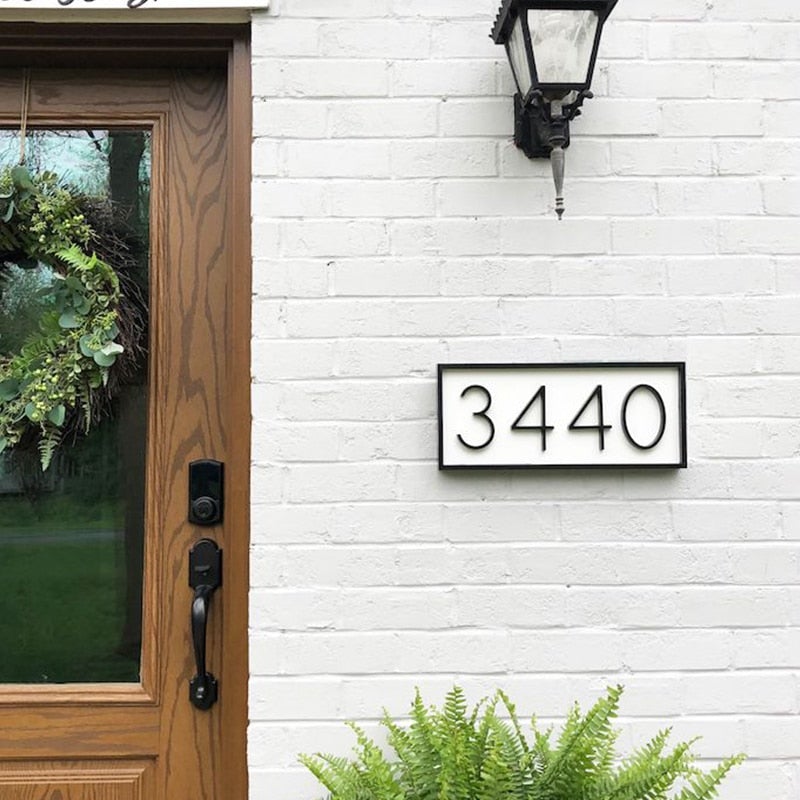
The worry usually arrives with a swatch. Someone has settled on brass for the kitchen, then noticed the bathroom already has chrome taps, or that the front door came with black ironmongery, and the whole scheme feels like a mistake waiting to be photographed. It rarely is. Rooms have carried more than one metal for as long as rooms have had metal in them: the iron range beside the copper pans, the steel knife on the brass tray. What jars is not the number of finishes but the absence of a decision about them.
A house with a single finish from letterbox to loft can be lovely. It can also feel like a showroom, every handle answering every other handle a little too promptly. Two metals, chosen on purpose, give a room somewhere for the eye to rest and somewhere for it to go. The Art of Cohesion argued for families of finishes rather than matches; what follows is where to draw the line between them.
One that leads, one that answers
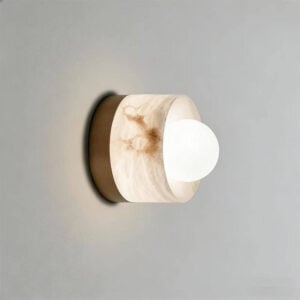
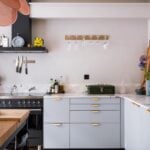
The simplest working rule is that one finish should carry the room and another should visit it. The dominant finish is the one you touch most: cabinet handles in a kitchen, levers in a hallway. The accent is the one you notice: a wall light, a door stop, the frame of a mirror.
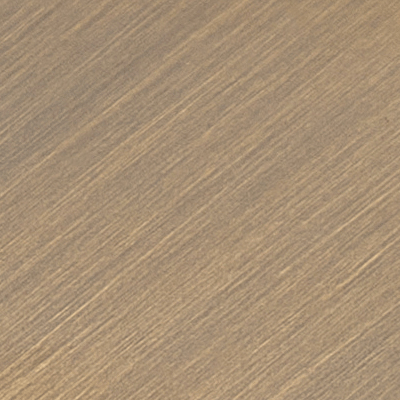
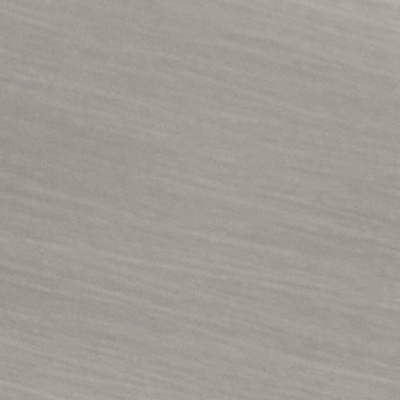
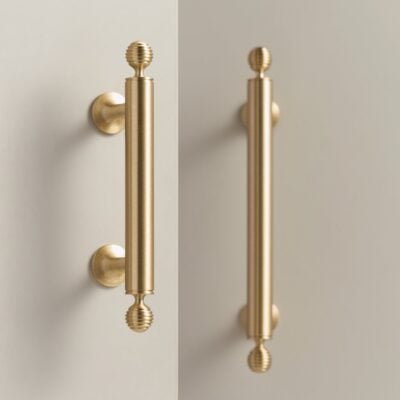
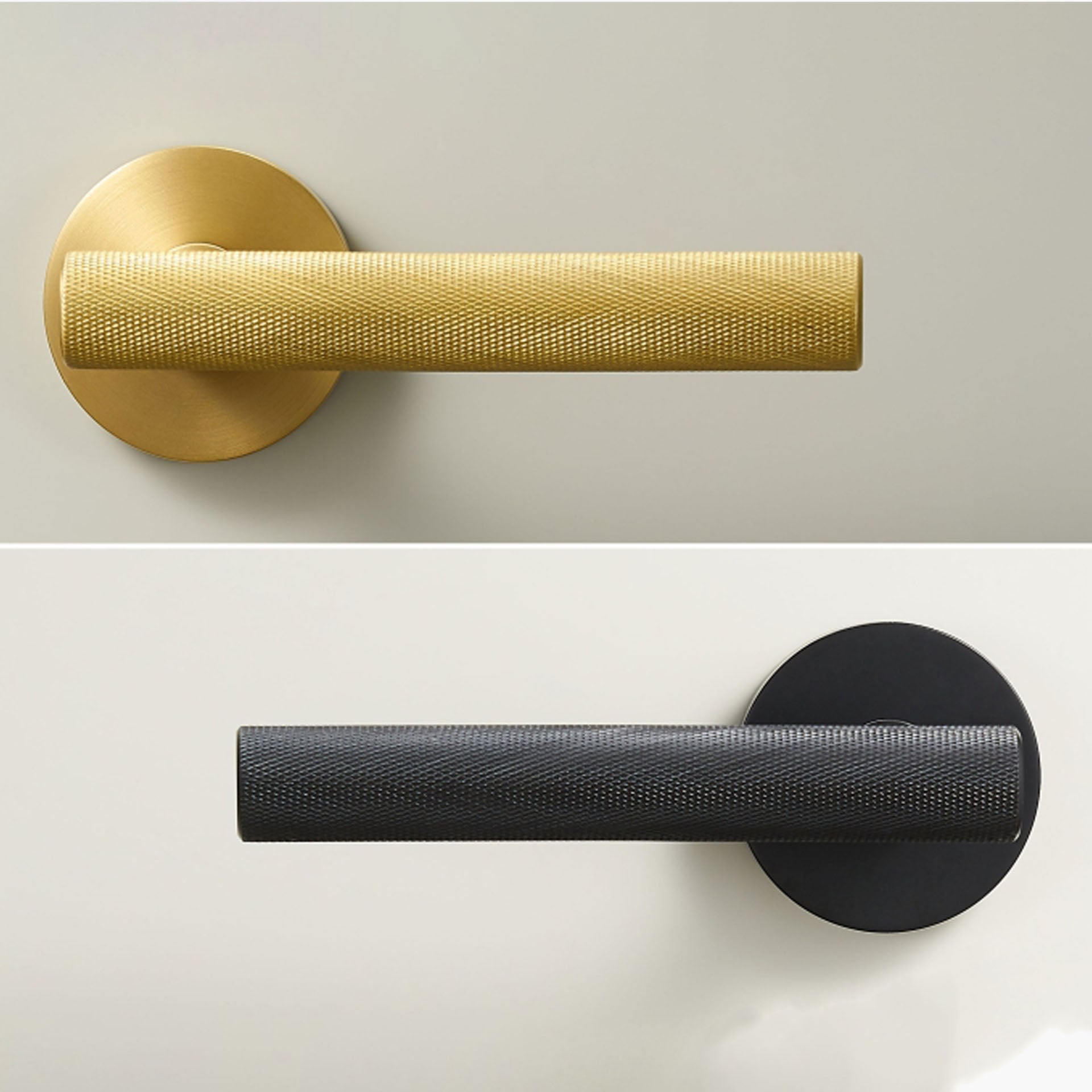
The pairs that settle easily are warm with cool, or light with dark. Satin brass with satin nickel is the gentlest of them; nickel sits between the warmth of brass and the hardness of chrome, so the two read as relatives rather than rivals. Nickel usually leads in a bathroom, where it has a mirror and probably chrome taps to agree with; brass leads wherever hands are busiest. Antique brass with matte black is the other reliable pair, the brass already darkened part of the way, the black giving it a shadow to stand against; here brass should lead, because black in quantity stops being an accent and becomes a mood. What unsettles a room is two finishes that are nearly the same: polished brass beside satin brass, say, where the eye reads a mismatch rather than a choice.

Where the line falls
Once you have two, the question is where one gives way to the other. There are two honest answers; pick one and keep to it.
The first is by room. The kitchen is brass; the bathroom is nickel; the hall is black. Doors between rooms take the finish of the room they open into, or of the corridor, whichever you pass through more often. This is how older houses acquired their mixes, one room at a time, which is partly why they seldom feel wrong.
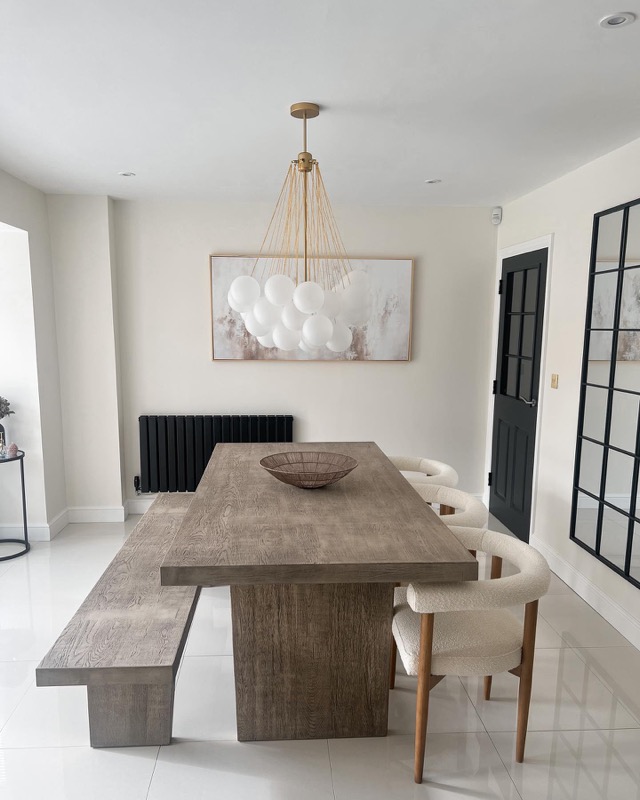
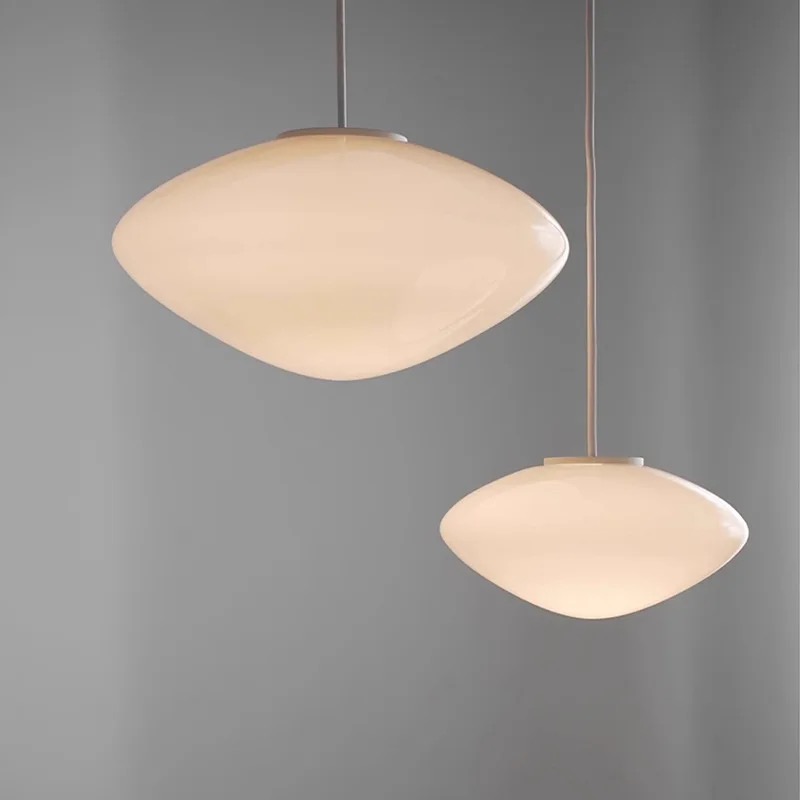
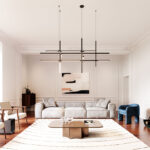
The second is by plane, and it is the one we find calmer in open rooms. Everything at hand height, the cabinet handles and the door levers, wears one finish. Everything above the head, the pendants and wall lights, wears the other, or the same. Everything near the floor, hinges and stops, follows the doors. Divided that way, a room can hold two metals without ever putting them side by side on the same surface, which is where clashes happen.

The boundary itself is where care pays. A brass lever on a door with a nickel escutcheon beneath it will look like an accident. Keep the door as one object.
The one that changes
Unlacquered brass belongs in this conversation as the exception. It arrives bright, and within weeks the places hands go begin to soften towards honey. Over months it deepens; after years it reads as if it has always been there. It will never match anything else in the house exactly, because it is never quite the same colour two seasons running.
That is why it works as the odd one out. Put unlacquered brass on the door you use most and let the sealed satin brass elsewhere hold still around it. The gap between them becomes a record of the house being lived in rather than a discrepancy. Brass polish will take it back to bright if you change your mind; the finish and care guide sets out what to expect from each family; our earlier piece on unlacquered brass goes further.
Metal against the wall
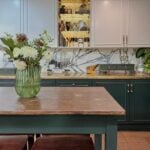
The wall behind the handle does half the work. Brass on a chalky white looks golden at midday and almost bronze at dusk; on a deep green it looks like the only warm thing in the room, which is the point; on a warm plaster pink it nearly disappears, which may be exactly what you want. Nickel takes its temperature from whatever it sits against, which is why it is so forgiving. Matte black is a line drawing on anything pale and vanishes into anything dark, so it earns its place on pale painted cabinetry more than on charcoal. If the paint is still undecided, the psychology of colour is worth reading first.
Light matters as much as paint. Warm-white lamps, around 2700 to 3000K, flatter brass and skin alike; under a cooler bulb brass loses its warmth and nickel goes steely. Look at the pair together at six in the evening under the lights you will actually live with, not at noon under shop lighting.
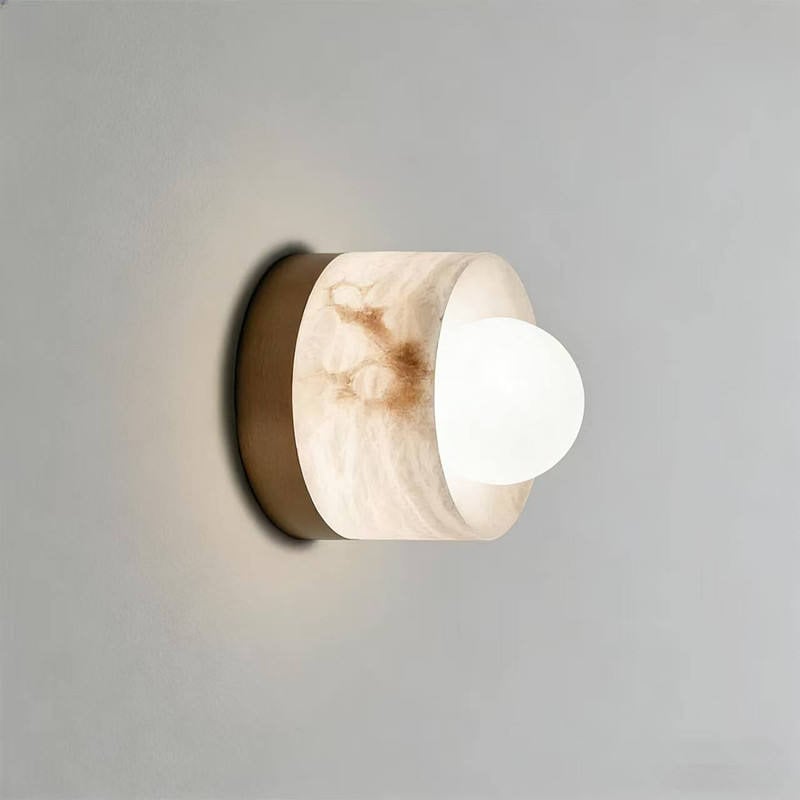
Whatever the pair, the hand does not mind; it finds the same lever in the dark whatever the finish. It is the eye that wants to know the house was considered, and it can usually tell.
meraki. designs and sources solid brass hardware and stone lighting in finishes made to be lived with, together or apart.